
Listening with Compassion: A Journey from Persistent Cough to Wellbeing
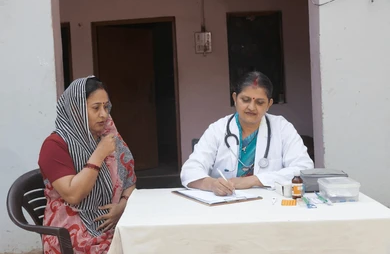
Sharon Prasad Patient Stories of Total Person Care consultations In our line of work, we often encounter patients with complex, interwoven issues that extend beyond their immediate physical symptoms. One such case involved a patient who consulted our team due to a long-standing cough that kept her awake at night. Despite trying numerous home remedies and over-the-counter medications, she found no relief and was growing increasingly frustrated and exhausted. During our detailed history-taking, we delved deeper into her emotional and mental wellbeing. It was then that she revealed a significant aspect of her struggle: she was being taunted because of her weight, which was severely affecting her mental health. In an attempt to lose weight quickly, she had been skipping meals, a practice that was not only unhealthy but was also exacerbating her physical symptoms. We recognized that her persistent cough was linked to increased acidity, which in turn was caused by her erratic eating habits and the stress she was experiencing. The disturbed sleep she was suffering from was a direct consequence of this vicious cycle. What stood out in this interaction was the power of simply listening to her story. By taking the time to understand how she was feeling emotionally, we were able to identify the root causes of her physical symptoms. This empathetic approach made a significant impact. She felt heard and understood, which motivated her to take positive steps towards modifying her lifestyle. With our support, she began to adopt healthier eating habits and found ways to manage her stress. As a result, her acidity decreased, and her persistent cough finally began to subside. Her sleep improved, and she started to regain her overall sense of wellbeing. This case underscores the importance of holistic care that considers both the physical and emotional aspects of a patient’s health. It reaffirms our commitment to listening with compassion and addressing the underlying factors that contribute to our patients’ conditions. By fostering an environment of understanding and support, we can help our patients embark on a path to better health and a more balanced life
Chronic Disease Management through Regular Follow-Ups

Dr. Vinita Mathew Living with a chronic disease like diabetes, heart disease, asthma can be challenging, but regular follow-ups with your primary care physician (PCP) can make a significant difference in managing your condition and improving your overall health. As a family physician focused on whole person care, I cannot stress enough the importance of maintaining a strong relationship with your PCP and committing to regular check-ins. There are some great benefits of regular follow-ups Tracking the progression of your condition through Continuity of Care Your PCP knows your medical history, understands your unique needs, and can track the progression of your condition over time. This familiarity allows them to make more informed decisions about your treatment plan and catch any potential issues early on. Detecting complications before they become serious through appropriate Preventive Measures Regular follow-ups also provide an opportunity for your PCP to monitor your vital signs, order necessary tests, and adjust your treatment plan accordingly. By staying proactive, you can avoid costly and time-consuming hospitalizations and emergency room visits. Taking into account your physical, mental, and emotional well-being through Personalized Care Your PCP understands that managing a chronic disease can be overwhelming and is available to support you every step of the way. Regular follow-ups allow your PCP to address any concerns you may have and provide you with the resources and support you need to thrive. Empowering you with knowledge and tools needed to manage your condition effectively Regular follow-ups helps you to take an active role in your healthcare. Your PCP can provide you with the resources for lifestyle modifications, medication management, and self-monitoring techniques. By working closely with your PCP, you can develop a sense of control over your health and feel more confident in your ability to manage your chronic disease. Make the most of time by preparing well for your Appointment Make a list of any questions or concerns you may have, and be sure to bring any relevant medical records or test results. It’s also a good idea to keep a journal of your symptoms and any changes you’ve noticed since your last appointment. Positive impact on health through regular follow-ups Many patients with chronic diseases have shared that despite their initial hesitation, after committing to see their primary care physician regularly and following the recommended treatment plan, their conditions have stabilized, and they were able to reduce her medication dosage, attain optimal weight and reported feeling more energetic and confident in their ability to manage her condition. Remember, your PCP is here to support you and help you manage your chronic disease effectively. By committing to regular follow-ups and working closely with your PCP, you can take control of your health and live your best life.
Focus on what matters: The Power of Prevention

Dr. Vinita Mathew, Family Physician & Counsellor (M.B.B.S, PGD Counselling Psychology, PGD Mental Health) Concern for the overall well-being of my patients is something that drives me in my endeavor to practice whole person care. My approach to healthcare goes beyond simply treating illnesses when they arise. I firmly believe in the power of prevention and health promotion to help them live their healthiest, most vibrant life. The Importance of Prevention Many of the leading causes of death and disability today, such as heart disease, stroke, cancer, type 2 diabetes, and many infectious diseases, are preventable. By making healthy lifestyle choices and utilizing preventive services like regular screenings, health check-ups and immunizations, we can avoid many serious health problems before they start. Prevention is also more cost-effective than treatment. Investing in your health now can save you significant time, money, and suffering down the road. Regular check-ups, open communication with your doctor, and proactive steps to improve your health are some of the best investments each of you can make. Empowering You to Take Charge The role of a family physician is to partner with our patients and provide them with the knowledge, tools and support to take charge of their well-being. We work closely with every individual under our care to: Assess their unique health risks and needs Set achievable goals for improving their health Develop a personalized prevention plan tailored to their lifestyle Provide guidance, encouragement and accountability along the way Together, we can create sustainable healthy habits that become a natural part of their daily life. Small steps, consistently taken, can lead to profound improvements in how they look and feel. Whole Person Care Prevention is firmly grounded in whole person care. This means looking at an individual’s physical, mental, emotional and social well-being as interconnected parts of a whole. Optimal health requires nurturing all aspects of yourself. For example, managing stress is just as important as eating well and exercising. Cultivating strong social connections and finding meaning in life also contribute immensely to health and longevity. The Time is Now The best time to prioritize prevention is now. I encourage all readers to schedule your annual check-up with your family physician if you haven’t already. Go prepared with questions and an open mind. It’s critical that you work together with your physician to create a prevention plan that fits your unique needs and lifestyle. Remember, you have the power to transform your health. With the right knowledge, tools and support, you can avoid many serious illnesses and live your best life. Today is the day to get started!