
By The Raahat team
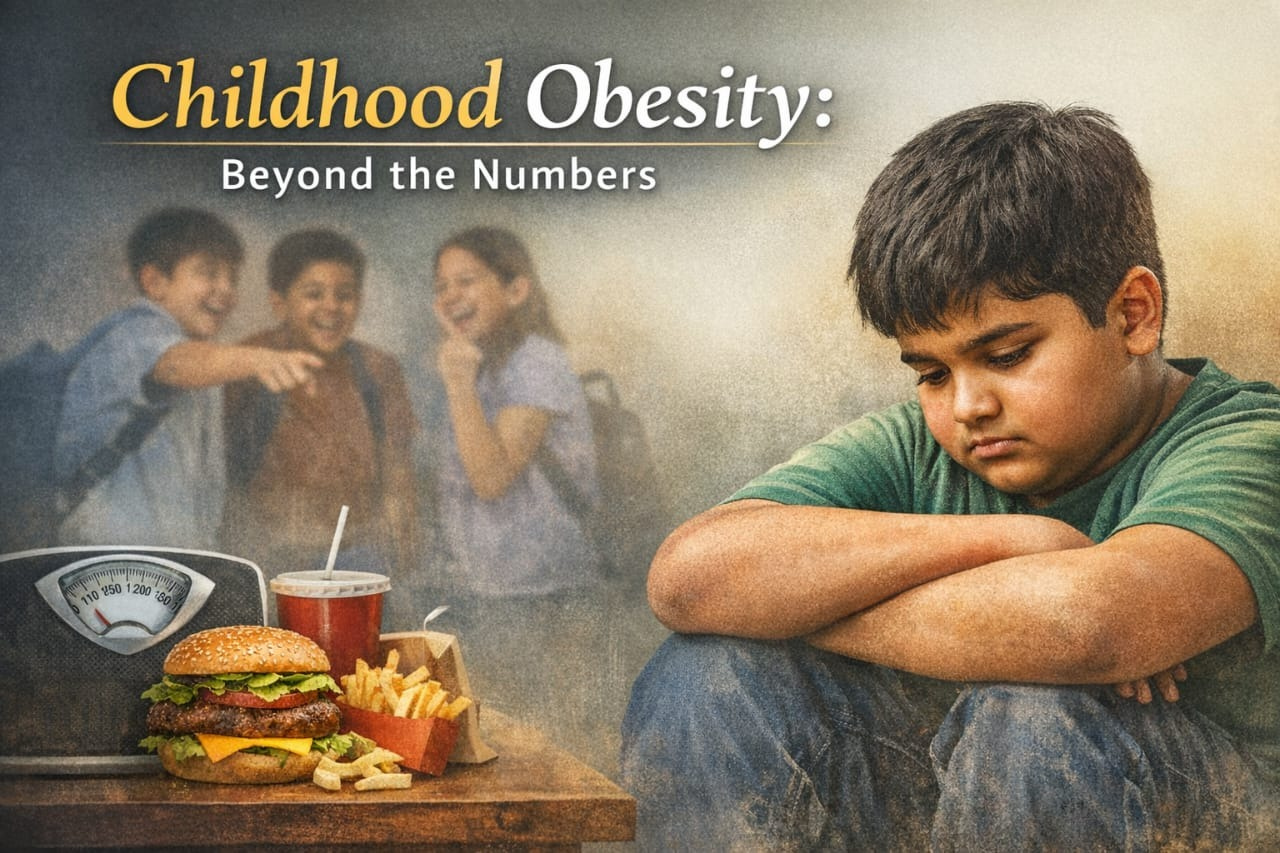
Childhood obesity is often spoken about in numbers — weight, BMI, blood sugar levels. But behind these numbers are children who may be quietly struggling with shame, bullying, pressure, and emotional pain.
Through the Raahat mental health initiative at Ashok Hospital, doctors and mental health professionals are encouraging families to look beyond the physical symptoms and understand the emotional realities children face.
Because sometimes, what looks like a metabolic issue is actually a child asking for understanding.
When the Real Problem Is Hidden
A diabetologist shared a story from clinical practice that illustrates how easily the real issue can be missed.
A 14-year-old boy was brought to the clinic by his mother because he frequently fainted. At first glance, it seemed like a medical concern related to nutrition or blood sugar.
But during the consultation, the doctor noticed something unusual — the boy was wearing three shirts and a thick jersey, despite the warm weather.
When gently asked why, the boy eventually admitted the truth.
His classmates had been pinching his body and teasing him for being overweight. To hide his body, he layered his clothes every day. The heat and discomfort eventually caused him to faint.
What struck the doctor most was that the boy had never shared this with his mother.
This is why healthcare professionals emphasize something important:
To address childhood obesity, we must get to the root of the problem — not just the symptom.
The Emotional Roots of Childhood Obesity
Childhood obesity is rarely caused by food alone. Emotional and social factors often play a powerful role.
Children today face pressures that previous generations did not experience in the same way.
Many doctors (Diabetologists) observe that modern childhood includes:
-Academic pressure from rote learning
-Reduced outdoor play
-Increased screen time and social media exposure
-Constant comparison with unrealistic body images
-Bullying or teasing at school
For some children, food becomes a coping mechanism for stress, loneliness, or rejection.
Over time, this creates a cycle where emotional distress leads to overeating, and weight gain leads to even more emotional distress.
When Weight Becomes a Mental Health Issue
Doctors increasingly see teenagers whose weight struggles slowly evolve into deeper psychological challenges.
Children may begin to:
-Avoid eye contact
-Withdraw socially
-Stop participating in outdoor activities
-Avoid meeting friends
-Feel ashamed of their bodies
-Lose confidence in themselves
In many cases, they feel they do not “fit in” — whether in clothes, social groups, or expectations.
Social media has intensified this pressure. Constant exposure to curated images of “perfect” bodies can make teenagers feel inadequate and isolated.
Low self-esteem can eventually affect academic performance, friendships, and emotional wellbeing.
Subtle Signs Parents Should Watch For
Parents often focus on physical markers like weight or medical reports. But doctors emphasize that emotional signs can appear much earlier.
Some subtle warning signs include:
-The child avoiding eye contact
-Reduced social interaction with peers
-Sudden withdrawal or silence
-Complaints about body image
-Refusing to participate in activities they once enjoyed
In medical settings, even symptoms like recurrent infections, skin changes, or unexplained fatigue can sometimes signal early metabolic issues such as diabetes.
But emotional changes often appear before families realize something deeper is happening.
A child who once laughed freely may slowly become quiet and withdrawn.
These signals deserve gentle attention.
The Changing Lifestyle of Childhood
Doctors also note how rapidly lifestyle patterns have shifted.
Earlier generations often grew up eating home-cooked meals and spending significant time outdoors.
Today many children:
-Spend hours on mobile phones watching short-form videos or gaming
-Order fast food frequently through delivery apps
-Eat meals quickly without mindful eating
-Experience hunger again shortly after consuming highly processed food
Highly processed foods often cause rapid spikes and drops in blood sugar, which can lead to frequent cravings and binge-eating patterns.
Slow, balanced meals prepared at home can make a significant difference — not only physically but emotionally.
Adolescence: A Vulnerable Stage
Adolescence is a period characterized by intense physical, hormonal, and psychosocial changes, which increases vulnerability to mood disorders.
Factors such as body image perception, family expectations, peer pressure, and bullying can significantly influence a teenager’s psychological wellbeing.
The American Psychiatric Association has highlighted the close relationship between obesity, stigma, and mood disorders during this stage of development.
Understanding this connection is essential if we want to support young people not only physically, but emotionally as well.
Why Whole-Person Care Matters
Doctors today increasingly recognize that treating childhood obesity requires more than dietary advice or medication.
Children often need support in multiple areas:
-Medical care for metabolic health
-Nutritional guidance for sustainable lifestyle changes
-Psychological support to address self-esteem and emotional wellbeing
Because of this, physicians are now more frequently referring young patients to mental health professionals when emotional struggles appear alongside weight concerns.
This integrated approach — often called whole-person care — recognizes that physical and emotional health are deeply connected.
And adolescence is a particularly sensitive stage where this connection becomes even more important.
Footnote – Part 1
This article draws insights from a webinar discussion on childhood obesity and diabetes. Watch the full conversation here:
Additional reference link here