
By The Raahat team
While childhood obesity is often discussed as a metabolic condition, doctors increasingly recognize its close connection with mental and emotional health.
For many teenagers, the experience of weight gain is not only physical — it also affects how they see themselves and how they believe others see them.
This can create a cycle where emotional distress and physical health influence each other.
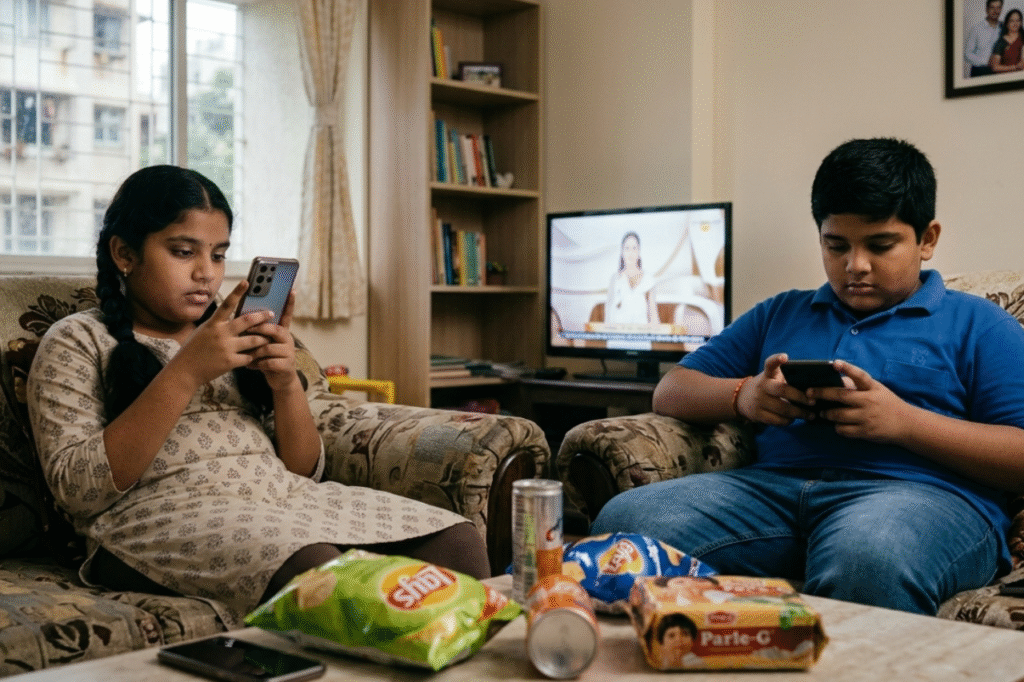
When Weight Affects Self-Esteem
Teenagers today grow up in a world where body image is constantly visible — on social media, in schools, and among peer groups.
Many adolescents feel pressure to meet unrealistic standards of appearance.
When they feel they do not “fit in,” they may begin to experience:
-Low self
-confidence
-Social withdrawal
-Anxiety about appearance
-Avoidance of public spaces or activities
-Difficulty concentrating in school
Doctors observe that low self-esteem can eventually impact academic performance and social development as well.
Sometimes children stop mingling with peers simply because they feel embarrassed about their bodies.
The Role of Bullying and Stigma
Weight-related teasing or bullying can have profound psychological consequences.
Children may begin to:
-Hide their bodies with loose or layered clothing
-Avoid sports or school activities
-Spend more time online rather than socializing
-Turn to food as a coping mechanism for stress
Because childhood obesity still carries significant stigma, many teenagers do not speak openly about their struggles.
Doctors often find that children only begin to share their feelings after several medical visits, once they feel safe and understood.
Family Support Makes a Huge Difference
While family support can be a strong protective factor, doctors also observe a difficult reality in some cases.
In many families, one parent—often the more educated or aware one—may unintentionally belittle the child or place blame on them, assuming that the weight gain is simply the result of poor choices or a lack of discipline.
Statements like “you brought this upon yourself” or constant criticism about eating habits can deeply affect a child’s self-esteem.
In contrast, in households where extended family members, such as grandparents, are actively involved, children often receive emotional encouragement and practical support, which can make a significant difference.
However, in busy urban nuclear families, parents may unintentionally have less time to notice subtle emotional struggles.
This is why experts emphasize that change must begin at home.
Healthy habits are easier to build and sustain when families adopt them together in a supportive and understanding environment.
Can Childhood Diabetes Be Reversed?
When childhood obesity progresses to Type 2 diabetes, early intervention is critical.
Doctors say that in many young patients, diabetes can be partially reversible in the early years, especially within the first 5 years after diagnosis.
But this requires:
-Strong motivation from the child
-Consistent family support
-Healthy lifestyle changes
-Emotional and psychological support
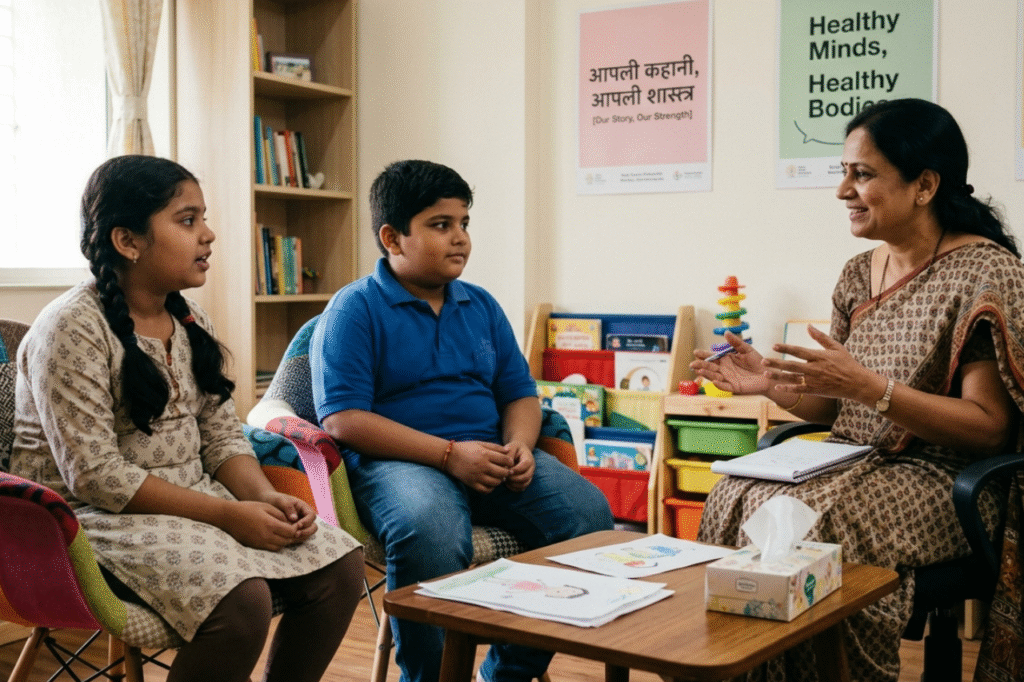
Breaking cycles of binge eating and creating a supportive environment are often just as important as medical treatment.
Why Counseling Matters
Many teenagers struggling with obesity carry unspoken feelings of shame.
Doctors note that children often open up only after several consultations. Childhood obesity is still heavily stigmatized, and many children fear judgment.
Counseling can help teenagers:
-Express emotions safely
-Build self-esteem
-Develop healthier coping mechanisms
-Break emotional eating patterns
-Build resilience against bullying and social pressure
Mental health professionals can also help families learn how to communicate more openly and supportively.
Prevention Must Start Early
One important insight from doctors is that most families seek medical help only after health problems appear.
Very few come for preventive care.
Experts believe schools and communities should play a stronger role by introducing:
-Preventive health camps
-Awareness programs
-Physical activity initiatives
-Emotional wellbeing support for students
Empathy and education can make a huge difference.
Sometimes all a child needs is a safe space to be heard.
A Gentle Reminder for Parents
Childhood obesity is not a sign of failure — for the child or the parent.
It is often a signal that something deeper needs attention.
With empathy, early awareness, and supportive environments, children can grow into healthier and more confident individuals.
Healing begins not with judgment, but with understanding, patience, and compassion.
Coming Up Next
As part of the Raahat mental health awareness initiative, we will soon host an upcoming webinar on eating disorders in adolescents.
Eating disorders, body image concerns, and emotional wellbeing are closely connected topics. We invite parents, educators, and young people to watch this space and join the discussion.
Together, we can create environments where children feel supported, understood, and empowered.
Footnote – Part 2
This article draws insights from a webinar discussion on childhood obesity and diabetes. Watch the full conversation here:
Additional reference link here