
Understanding Schizophrenia Through Patient Stories: A Call for Compassion and Whole Person Care

By Dr. Vinita Mathew, Family Physician and Counselor, Mumbai Schizophrenia is a complex mental illness that affects people of all ages and backgrounds. By sharing real stories from patients and families, we can foster understanding, advocate for early intervention, and drive lasting stigma reduction. Here’s a concise look at four cases that highlight different aspects of living with psychosis—and the vital roles families, communities, and healthcare providers play in recovery. Case 1: Young Student Facing Psychosis A 21-year-old woman preparing for a high-stakes exam began showing warning signs—muttering to herself, unexplained smiling, dropping out of school, and fears that someone wanted to harm her. She struggled to concentrate on studies and was found at a police station after going missing. Key learnings: Early Red Flags: Changes in speech, behavior, social withdrawal, and paranoia(suspicious belief that others may harm/persecute/deceive) need urgent attention. Early Intervention: Starting low-dose medication and supportive measures(therapy,lifestyle change,social support) at the first sign of illness improves outcomes. Family Support: Families should learn about the disorder from credible sources to offer better support and deal with stigma,encourage treatment and academic engagement and seek school or community help. Safety and Empathy: Balancing understanding with safety—especially in behaviors like wandering—is critical.Hence understand the root cause,create a safe environment, involve the individual in safety planning, build trust, get caregiver training/ psychoeducation,use tracking technology to track location and adapt as per need. Case 2: Chronic Psychosis and Social Challenges A 36-year-old beautician with untreated schizophrenia became suspicious, aggressive, and socially isolated. Delayed care led to worsening symptoms and personal setbacks, including a broken engagement. Initiating antipsychotic medication brought notable improvement, but relapses occurred whenever treatment stopped. Key learnings: Recognize Symptoms: Delusions ( which are fixed, strong beliefs that aren’t true, but the person believes them no matter what evidence is shown otherwise. These beliefs can seem strange or unrealistic from the outside, but to the person with schizophrenia, they’re very real and convincing), disorganized speech, aggression, and poor insight signal chronic psychosis. Managing Aggression: Families should seek emergency help and professional guidance for violent behavior. Medication Adherence: Consistent use of antipsychotics is essential—family support is crucial for sticking to treatment. Transparency: Open family discussions and counseling can guide decisions about disclosure in relationships and marriage. Case 3: Brief Reactive Psychosis in a Professional A 40-year-old IT worker experienced frightening auditory hallucinations (voices urging self-harm), but no long-term symptoms. Early medication led to full recovery within a month, and the patient returned to work. Key learnings: Defining Brief Psychosis: Short-term, dramatic symptoms need correct diagnosis; not all hallucinations (auditory,visual,olfactory,gustatory,tactile) signal chronic illness. Recovery and Return: Rapid response to treatment is common; workplace accommodations can support reintegration. Hopeful Narratives: Sharing stories of fast recovery helps reduce stigma and encourages help-seeking. Case 4: Late-Onset Psychosis and Cognitive Decline An older adult displayed paranoia, confusion, memory problems, and changes in sleep and appetite. Comprehensive assessment and cautious treatment—combined with family education—helped stabilize functioning. Key learnings: Differentiating Causes: Physicians must separate psychiatric from organic conditions (like dementia). Ongoing Monitoring: Regular support protects against relapse and cognitive decline. Empathy Matters: Late-onset psychosis needs as much compassion and medical integration as any other illness. Takeaway: Breaking Stigma, Building Support Across these stories, several themes emerge: Early recognition and family vigilance save lives and futures. Medication adherence, psychoeducation, and compassionate family support drive recovery. Multidisciplinary teamwork—physicians, mental health specialists, social services—optimizes care and outcomes. Open discussion and real-life recovery stories encourage acceptance and fight stigma. By listening, sharing, and supporting—at home, school, work, and in the clinic—we can help those affected by schizophrenia reclaim hope and meaningful roles in society. Let’s continue this conversation. Recovery is possible, and every act of compassion makes a difference.
Finding Your Rest – Sleep Tips From Your Family Doctor

By Dr. Vinita Mathew, Family Physician and Counselor, Mumbai 20th August 2025 “The best bridge between despair and hope is a good night’s sleep.” —E. Joseph Cossman Some practical, gentle ways to invite sleep! Hello! If you’re reading this because sleep is a struggle, you’re in good company. As a family Physician who loves helping people thrive—body, mind, soul and spirit —I know how much a good night’s rest matters. Let’s talk about practical, gentle ways to invite sleep in, the same way you welcome a friend into your home. Sleep Hygiene: What’s That? Think of sleep hygiene like bedtime habits that set the stage for a restful night—just like how brushing and flossing helps keep your teeth strong and healthy. For sleep, the right habits create the perfect conditions for your mind and body to relax, so you can drift off more easily and wake feeling refreshed. A patient once told me, “Trying to sleep feels like trying to catch a butterfly in the dark!” Sound familiar? The truth is, you can’t “force” sleep, but you can create an inviting garden so the butterfly of sleep will naturally land. “Your future depends on your dreams, so go to sleep.” — Mesut Barazany Simple Steps for Better Sleep 1. Keep a Steady Rhythm Ever noticed how kids get cranky when bedtime shifts around? Grown-ups aren’t so different! Going to bed and waking up around the same time each day—even weekends—teaches your body when it’s time to wind down. A Real-life example: My patient Maria started setting an alarm for both bedtime and wake-up time. After a week, her mornings felt more energetic and her nights less restless. 2. Create a Wind-Down Ritual Remember as a kid, when someone read you a story or tucked you in? Even as adults, our brains love cues that it’s time for sleep. Pick something relaxing: read a book, listen to soft music, take a warm shower, or jot down three things you’re grateful for. Tip: One patient swears by lighting a lavender candle and listening to mellow tunes for 20 minutes before lights out. 3. Turn Your Bedroom Into a Sleep Sanctuary Your bedroom should be a place your brain connects with rest—not work, emails, or late-night scrolling. Make it cool, dark, and quiet. Invest in soft sheets, blackout curtains, and if the world is noisy, try earplugs or a soothing white noise app. Success Story: A young couple I see bought affordable blackout curtains—suddenly, those early morning wakeups became a thing of the past! 4. Ease Up on Stimulants (and Screens) That afternoon cup of coffee or late-night phone check? They can steal your sleep. Try switching to herbal tea after lunch, and put phones or tablets away an hour before bed. The blue light from screens sends “stay awake” signals to your brain just when you want to rest. 5. Daytime Movement, Evening Calm Physical activity is fantastic for sleep, but keep tough workouts for earlier in the day. Evening is for unwinding. Example: Sam, a teacher, swapped his 8PM run for a lunchtime brisk walk. He found it so much easier to fall asleep—and his students noticed his perkier mood, too! 6. Quiet the Mind Worries love to visit at bedtime. If your thoughts are racing, keep a notebook by the bed. Jot down tomorrow’s tasks so your mind can let go (at least for tonight). Gentle breaths, prayer, or a meditation app can work wonders. “Sleep is the golden chain that ties health and our bodies together.” — Thomas Dekker Sleep Is More Than Just Bedtime When you struggle with sleep, it’s not just about the bed. Stress at work, worries about family, or even physical problems like pain or snoring can play a role. As your doctor, I care about the whole you—and want to help figure out what’s standing in your way. When to Ask for More Help If you’ve tried these tips for a few weeks and sleep is still stubborn, let’s talk. Sometimes sleep troubles are a sign of something deeper—like anxiety, depression, or a medical issue that needs special attention. You Deserve Rest Caring for your sleep isn’t selfish—it’s self-respect. A well-rested you is a kinder, more energetic you! Sleep doesn’t always come easily, but keep tending your “sleep garden.” Be gentle with yourself. And remember: my door is always open if you want to talk more about how to make restful nights a reality. Sweet dreams,Dr. Vinita Mathew
Beyond Symptoms: How I See the Whole Person in Every Consultation

By Dr. Vinita Mathew, Family Physician and Counselor, Mumbai Why care for the whole person As a family physician trained in Family medicine my approach is shaped by faith, science, and a deep commitment to seeing each patient as a whole being. It’s not about treating a person with a collection of symptoms. Family Medicine is a medical specialty focused on providing comprehensive and continuous care to individuals and families across all ages and health conditions where consultations go beyond the immediate complaint. My aim during the consultation is to understand the full tapestry of a person’s life – body, mind, spirit, and relationships, by using family assessment tools and a holistic Christ centered perspective. In this blog, I share why this approach matters, especially for Indian families, and how it leads to better health outcomes. Symptom-Centered Care versus Whole-Person Care Traditional medical consultations often focus on diagnosing and treating symptoms in isolation. While this can address immediate concerns, it frequently misses the underlying factors-family stress, social dynamics, emotional struggles, or spiritual needs-that shape health and healing. For Indian patients, whose lives are deeply intertwined with family and community, this narrow focus can leave much of the story untold. My faith teaches me to see each patient as created in God’s image, worthy of dignity, respect, and compassionate care. This means recognizing the physical, emotional, social, and spiritual needs-not just the diagnosis. The Christ centered healthcare in India has long championed this holistic model, serving not only physical ailments but also addressing poverty, stigma, and community well-being. Family Assessment Tools to understand the Bigger Picture My desire is to truly understand each person, and therefore I use the following family assessment tools during my consultations: Family Genogram: this is a visual map of your family’s structure, relationships, and medical history, helping uncover patterns that influence health. Family APGAR: through a quick questionnaire, a family physician can assess your satisfaction with family functioning-adaptation, partnership, growth, affection, and resolve. Family Circle and Mapping: These tools illustrate family roles, communication patterns, and support systems, revealing sources of stress or resilience. These tools allow me to see how family dynamics, history, and resources shape the health journey which is especially relevant in Indian households where multigenerational living, caregiving, and shared stressors are common. A peek at Whole-Person Consultation During the visit to my clinic the conversation goes beyond “What brings you here today?” I ask about: Family relationships and recent changes Emotional well-being and stressors Spiritual beliefs and practices Social support and community ties Lifestyle, work, and environmental factors By weaving these threads together, I can identify root causes, anticipate challenges, and tailor care that fits each person’s unique context. Advantages for Indian Patients Culturally Relevant Care Indian families are often close-knit, with health decisions influenced by elders, traditions, and collective values. Family assessment tools respect and leverage these dynamics, ensuring care plans are practical and acceptable within your social context. Early Detection of Hidden Issues Many health problems-like diabetes, hypertension, or depression-run in families or are exacerbated by family stress. Genograms and family mapping help spot these patterns early, allowing for preventive care and timely intervention. Addressing Mental and Emotional Health Stigma around mental health remains high in India. By normalizing discussions about family stress, conflict, or grief, I create a safe space for a person to share concerns that might otherwise go unspoken, leading to more comprehensive care. Empowering Families, Not Just Individuals Health is a shared journey. Engaging family members in consultations means better support at home, improved adherence to treatment, and shared responsibility for wellness. Continuity and TrustFamily medicine is rooted in long-term relationships. By knowing a family’s story, I can offer consistent, personalized care over years-building trust and making it easier to navigate complex health challenges together. Faith-Inspired Compassion and Dignity I strive to treat every person with dignity and respect, honoring your beliefs, values, and preferences. This aligns with the principles of person-centered and family-centered care: respect, information sharing, participation, and collaboration. Irrespective of the person’s faith background, you will be welcomed and valued. Stories from My Practice A young woman with repeated stomach pain found relief only when we addressed the stress of caring for her aging parents and the lack of family support. An elderly patient’s depression improved when his family, guided by our assessment, recognized his need for meaningful roles and connection. A child’s asthma attacks decreased after mapping family routines and reducing environmental triggers at home. Conclusion: Beyond Symptoms, Toward Wholeness In every consultation, I see each person as a whole person-shaped by family, faith, and community. By using family assessment tools and a compassionate, holistic approach, I can offer care that heals not just the body, but the heart and soul as well. For Indian families, this means care that is relevant, respectful, and rooted in the realities of each one’s life. So when you walk into my clinic, know that I see the whole you. And together, we journey toward lasting health and wholeness. References:https://www.nextgen.com/blog/health-it-101/what-is-whole-person-care https://pmc.ncbi.nlm.nih.gov/articles/PMC9138803/
Beyond the Screen: How Early Experiences Fuel Social Media Anxiety

By K.SHEETHAL, MA clinical psychologist In today’s super-connected world, social media anxiety is a big problem. Many of us know the “bad cycle”: a quick good feeling from a “like,” then constantly checking for more, and finally, disappointment when nothing new appears. This can lead to feeling useless, upset, and sad. It can even cause physical problems like tense muscles, dizziness, or trouble sleeping. But what if the real reasons for this modern problem go much deeper than just apps and websites? The way social media anxiety works is clear: it starts when you post a picture. Then come the thoughts like, “I’ll keep checking for more likes or mentions!” This leads to feelings of excitement, then worry, frustration, sadness, and worthlessness. These feelings make us behave in certain ways, like constantly scrolling and refreshing, or even pretending to have a different life online. Our body also reacts with a quick burst of good chemicals, followed by tension, sleep problems, and an upset stomach. While we see the immediate effects of social media, it’s vital to understand what makes people open to this cycle. Often, the roots of social media anxiety are planted when we are young, especially because of certain parenting styles and early life experiences. When Connection is Missing When parents can’t spend enough time with their kids, they might miss important things happening in their children’s lives. Relying a lot on caretakers, even good ones, can mean kids don’t get enough dedicated care, love, and watchful attention. This lack can leave an empty space that children later try to fill by seeking approval from others. Another big factor is bullying from other kids. Even if parents are doing a good job, bullying can have a deep and lasting effect. Mean words or being left out, which might seem “silly” to an adult, can really hurt a child’s confidence and feeling of self-worth. According to Erik Erikson’s theory on how people develop, not getting enough love, care, and attention during important childhood stages can make children feel self-doubt and have low self-esteem. They might struggle to accept themselves as they are, always looking for others to tell them they’re “good enough.” This basic feeling of being unsure makes them very likely to fall for the appeal of social media and the worries that come with it, where likes and mentions seem to measure their value. A Real-Life Example: The over-scheduled Child Think about a common situation today. A parent recently worried that their 2nd-grade child wasn’t getting good grades and immediately thought of a “learning disability” after watching a movie. But this same child’s day was packed: school, then tutoring, and then more “online learning apps” on a phone. The parent herself was often busy with her own online life, perhaps as an influencer. This story shows several big problems. Too much focus on grades at a young age, plus a too-busy schedule, can take away the free play and real interaction that kids need to grow up healthy. When screens replace parents being present and connecting, children learn to look for attention and approval elsewhere. The parent’s own search for online approval can, without meaning to, teach the child that pretending or showing a perfect image is needed to be liked – which is just like “pretending to have a different life on social media.” Thinking there’s a “disability” can sometimes hide the real issue: not enough steady, caring attention from parents. Breaking the Cycle: Solutions from Early Nurturing The good news is we can fix these basic problems to help stop social media anxiety. The answer is to build a strong sense of self-worth and inner strength from a young age: Praise and Encourage: Always praise your children for their efforts and achievements, no matter how small. Teach them that learning and practicing more leads to becoming good at things. This helps them want to grow and learn, instead of just wanting quick praise. Help Them Solve Problems: Help your children learn to think for themselves by encouraging them to think through and solve their own problems. This builds their confidence in what they can do and makes them less reliant on others’ approval. Support Talents and Interests: Actively praise and boost their talents. Whether it’s getting a star at playgroup or good comments from school, notice their successes and show real interest in what they do. Understand Their Experiences: Never ignore how experiences like bullying can affect them. Even a “small” comment can really hurt a child’s confidence. Listen to your kids, understand their feelings, and take their worries seriously. By making love, attention, and building self-esteem top priorities in childhood, we can give the next generation the inner strength to handle social media.9 This helps them have a healthier relationship with both their online and real-world selves. It’s about being truly present, not just physically, but emotionally, to build a strong foundation for confident and resilient individuals. Do you think schools and teachers should also help build good self-esteem in kids, and what could they do?
Fibromyalgia: A Patient’s Guide to Understanding and Managing Chronic Pain

By Dr. Vinita Mathew, Family Physician & Counsellor (M.B.B.S, PGD Counselling Psychology, PGD Mental Health) Fibromyalgia is a chronic condition characterized by widespread pain, fatigue, and sleep disturbances. It’s more common than you might think, affecting about 1 in 20 primary care patients, with women being ten times more likely to be affected than men. The typical age of presentation is between 20 and 50 years, but it can occur in children, adolescents, and older people. What Causes Fibromyalgia? The exact causes are still unclear but are believed to involve a combination of environmental factors (like trauma or illness) and genetic factors. People with a family history of fibromyalgia are more likely to develop it. It’s also linked to factors like not finishing education, low income, being female, and divorce. Some consider it a psychogenic or psychosomatic condition, but research points to it being a disorder of pain regulation, specifically a form of central sensitization. This means the brain amplifies pain signals. What are the Symptoms? The main symptoms include: Chronic widespread pain: Pain in multiple areas of the body. Fatigue: Persistent tiredness. Sleep disturbance: Difficulty sleeping. Other common symptoms include: Muscle pain and tenderness Forgetfulness or trouble concentrating Morning stiffness Paraesthesia (numbness or tingling) Headaches Dizziness Weight fluctuations Anxiety and depression Symptoms often worsen with cold, humid weather and stress. How is Fibromyalgia Diagnosed? Diagnosis is primarily clinical, based on a doctor’s evaluation. There are criteria from the American College of Rheumatology (ACR) that include a symptom survey to assess pain locations, fatigue, sleep issues, and mood. To meet the ACR criteria, certain conditions must be met: A widespread pain index (WPI) and symptom severity score must meet specific thresholds. Symptoms must have been present at a similar level for at least three months. Other disorders that could explain the pain must be ruled out. Note: Fibromyalgia is not a diagnosis of exclusion. While lab tests aren’t usually needed to diagnose fibromyalgia, they can help rule out other conditions. Associated Conditions Fibromyalgia can occur alongside other conditions like: Anxiety and depression Irritable bowel syndrome Rheumatoid arthritis Lupus Restless leg syndrome Chronic fatigue syndrome Treatment Options The best approach involves managing symptoms to improve quality of life through both medication and non-medication methods. Non-pharmacological treatments: Patient education: Understanding the condition is crucial. Exercise: Regular aerobic and strength training can be helpful. Sleep hygiene: Improving sleep habits. Cognitive-behavioral therapy (CBT): Helps manage psychological aspects and stressors. Pharmacological treatments: Pain relievers: Paracetamol, NSAIDs, and tramadol can help manage pain. Antidepressants: Can reduce pain, fatigue, and sleep disturbances. Other medications: Pregabalin and gabapentin may help reduce pain in some patients. Important Note: Corticosteroids and strong opioids are not recommended. Living with Fibromyalgia Fibromyalgia is a chronic condition, and managing it can be challenging. Working closely with your doctor to find the right combination of treatments and support is essential for living well with fibromyalgia.
Beat the Mumbai Heat: Your Family’s Ultimate Summer Survival Guide

By Dr.Vinita Mathew, Family Physician & Counsellor (M.B.B.S, PGD Counselling Psychology, PGD Mental Health) Mumbai summers are legendary-intense heat, relentless humidity, and the ever-present bustle of city life. For families, this season brings unique challenges, from keeping kids hydrated to ensuring elderly relatives stay cool and comfortable. As a family physician practicing Whole Person Care in Mumbai, I believe that a holistic approach-addressing physical, mental, and environmental well-being-can help your family not just survive, but thrive during the hottest months of the year. Hydration Hacks for Every Age Dehydration is a common summer woe, especially for children and seniors. Mumbai’s humidity causes us to sweat more, losing essential fluids and electrolytes. Encourage your family to drink water regularly, even before they feel thirsty. Infuse water with fresh mint, lemon, or cucumber slices for added flavor and nutrients. Traditional drinks like nimbu pani (lemonade), chaas (buttermilk), and coconut water are excellent choices to replenish salts and keep the gut cool. For kids, make hydration fun-offer colorful water bottles, set reminders, or create a “hydration chart” as a family project. For elders, keep water within easy reach and offer small sips frequently, as their thirst sensation may be reduced. Sun Safety: Shield Your Skin and Eyes Mumbai’s sun can be harsh, especially between 11 am and 4 pm. Dress your family in lightweight, loose-fitting cotton clothes that allow the skin to breathe and sweat to evaporate. Wide-brimmed hats and sunglasses provide extra protection for sensitive skin and eyes. Apply a broad-spectrum sunscreen (SPF 30 or higher) to all exposed skin, and reapply every two hours, especially if sweating or outdoors for long periods. Encourage outdoor play and errands in the early morning or late evening when the sun is less intense. If you must be out during peak hours, seek shade whenever possible. Keep Your Home a Cool Haven With power cuts and soaring temperatures, keeping your home cool can be a challenge. Use light-colored curtains to reflect sunlight, and keep windows open for cross-ventilation during cooler parts of the day. Switch to cotton bed linens and avoid using heavy blankets. If you have air conditioning, set it to a moderate temperature to avoid sudden chills. Simple hacks like placing a bowl of ice in front of a fan or using damp washcloths on the forehead and neck can provide instant relief. Encourage everyone to take cool showers, especially after returning from outside. Spot the Signs of Heat Illness Heat exhaustion and heatstroke are serious risks in Mumbai’s summer. Watch for symptoms like excessive sweating, dizziness, headache, nausea, rapid heartbeat, or confusion. If anyone in your family shows these signs, move them to a cool place, offer fluids, and seek medical help immediately if symptoms worsen. Mind and Mood: Stay Mentally Cool The heat can make tempers flare and sap our energy. Create a calm home environment-play soothing music, encourage quiet indoor activities, and ensure everyone gets enough rest. Practice simple breathing exercises or yoga as a family to stay mentally balanced. Your Summer Checklist Mumbai’s summer is tough, but with a few mindful habits and a whole-person approach, your family can stay healthy, happy, and ready to enjoy all the season has to offer.
Are You Running on Empty? Understanding the Key Characteristics of Burnout
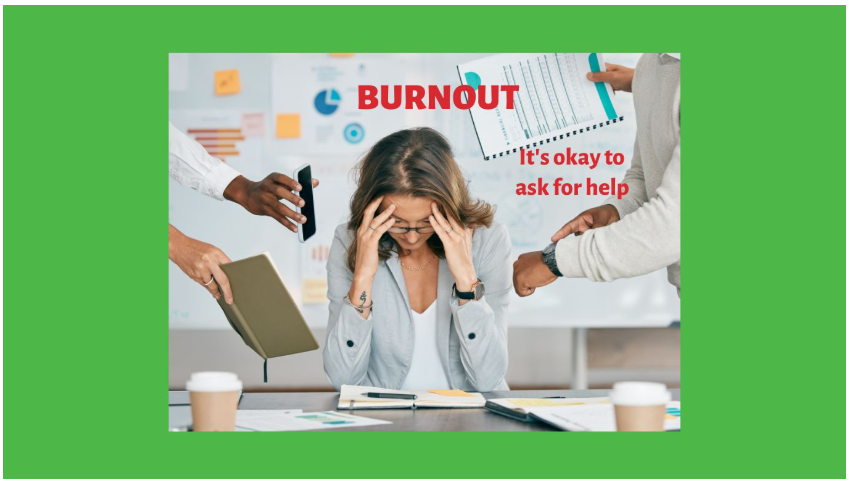
By Dr. Vinita Mathew, Family Physician & Counsellor (M.B.B.S, PGD Counselling Psychology, PGD Mental Health) In our fast-paced world, many of us find ourselves juggling multiple responsibilities, striving for success, and caring for others. While these are often fulfilling aspects of life, they can also lead to a state of chronic exhaustion known as burnout. At Raahat Wellness Center, we understand the importance of whole-person care, recognizing that our physical, emotional, and spiritual well-being are interconnected. If you feel like you’re running on empty, it’s crucial to recognize the signs of burnout and take steps toward recovery. So, what exactly are the key characteristics of burnout? Let’s explore three core elements: 1. Overwhelming Exhaustion: At the heart of burnout is a profound sense of exhaustion. This isn’t just ordinary tiredness; it’s a persistent fatigue that doesn’t go away with rest. This type of exhaustion stems from a depletion of your ability to cope with your environment, leaving you feeling drained, both physically and mentally. When you’re burned out, you may experience: This chronic exhaustion affects not just your body but your mind and spirit, making it difficult to engage fully in life. 2. Emotional Detachment: Another hallmark of burnout is emotional detachment. You might find yourself feeling emotionally numb, disconnected from others, or as if you don’t really care about things you once found meaningful. This can manifest in several ways: This emotional detachment can strain relationships and lead to a sense of loneliness and isolation, compounding the effects of burnout. 3. Reduced Sense of Accomplishment and Discouragement: Burnout can also erode your sense of personal accomplishment and purpose, leading to feelings of discouragement and self-doubt. You may experience: This reduced sense of accomplishment can lead to a downward spiral, where you feel less motivated and more discouraged. Recognizing these three key characteristics of burnout is the first step toward recovery. If you are experiencing these symptoms, know that you’re not alone, and help is available. By understanding the signs, you can take proactive steps to address the underlying causes of your burnout and restore balance in your life. At Raahat Wellness Center, we offer a range of resources and support to help you overcome burnout, including counseling, mindfulness practices, and strategies for self-care. Remember, caring for yourself is not selfish; it’s essential for your well-being and for your ability to care for others. Reach out to us today to start your journey toward a more balanced and fulfilling life.